Create a household returns station for borrowed items
· Editorial team houstonnewsdaily7.com
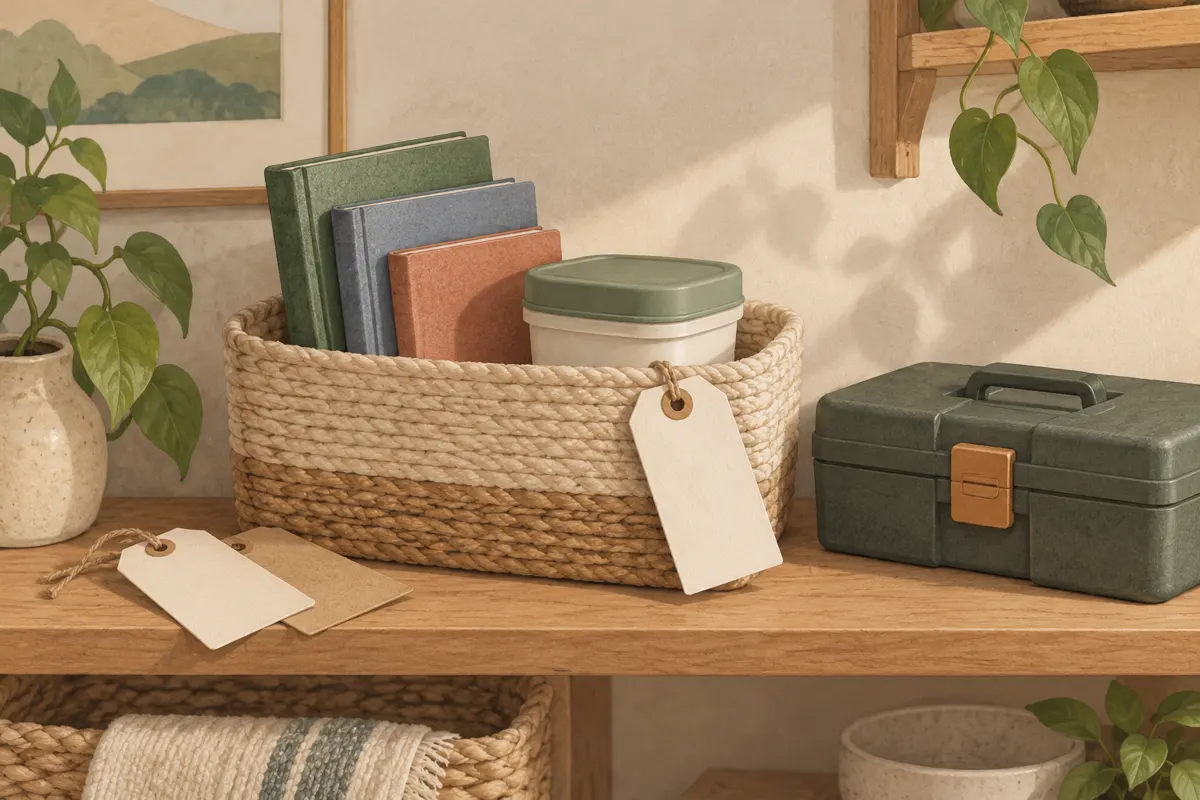
Keep track of borrowed items by giving them one return spot, recording who owns each item, and setting a reminder for the handoff. A small shelf or basket can hold things ready to leave; a simple list can track anything still in use. The following setup is an editorial proposal you can adapt to your household.
Choose a small spot you will notice
Choose a shelf, basket, or sturdy tote near the place where you gather things before leaving home. Keep it out of the walking path and within easy reach. Use something you already have, and give it one clear purpose: holding borrowed belongings that are ready to return.
Start by collecting borrowed items from around the house. Look for library books, a neighbor’s tool, a friend’s serving dish, and reusable containers that came home with leftovers. Put finished items in the station. Leave anything still being used in its appropriate storage place, but add its location to your tracking list.
- Keep books away from damp containers.
- Store heavy or sharp tools securely; leave a reminder card in the basket if necessary.
- Keep unrelated mail, purchases, and household clutter out of the station.
Give every item an owner and a return plan
Attach a removable tag to a bag or wrap a paper band around the item. Avoid putting adhesive directly on borrowed covers or delicate surfaces. Write enough information that another household member can understand where it belongs without asking you.
- Owner: the person or library receiving it.
- Item: a specific description, including any lid, cable, or attachment.
- Return date: the agreed deadline, or a date to arrange the return.
- Next action: wash, gather accessories, contact the owner, or take it along.
For example, a container tag might say: “Maya — glass dish and blue lid — bring to dinner Saturday.” If you do not know whose item it is, label it “owner unknown” and make identifying the owner the next action. If no return date was agreed, ask when the person needs it back before treating your preferred date as a deadline.
Keep one short borrowing list
Use a notebook beside the basket, a shared phone note, or a spreadsheet. Record the item, owner, date borrowed, return date, and status. These fields adapt the basic lending records described by Plumerie to the borrower’s side of the exchange. Add a location when something is still being used elsewhere in your home.
Keep status words simple: “in use,” “needs cleaning,” “ready,” and “returned.” A drill can stay in its case while its entry says “in use — utility shelf.” Once the job is finished and all attachments are gathered, change the entry to “ready” and move it to the station.
If you prefer an app, the supplied Borrowed listing describes item records with a photo, title, person, and reminders. Those are useful features to look for, but a paper list may be enough for a few items. Choose one record that the household can keep updated.
Set reminders that name the next action
A reminder is easier to act on when it tells you what to do. Try “put library books in bag tonight” or “message Jordan about returning the drill.” For library materials, copy the due date from your checkout record. If you renew an item, update your household reminder to match.
- Record the return date when the item comes home.
- Set a preparation reminder with time to clean, pack, or arrange a handoff.
- Assign one household member to handle the return.
- If plans change, update the reminder and contact the owner when needed.
Add a brief weekly check to an existing routine, such as planning errands. Review items still in use as well as those in the basket. An item with no deadline still needs a next step: finish using it, ask about timing, or arrange delivery.
Finish the return before clearing the record
Before an item leaves, check that it is ready: containers are clean and dry, lids match, and tools have their accessories. If something is damaged or missing, tell the owner and discuss what to do. Keep that task on the list until it is resolved.
Taking an item to the car is a step toward returning it. Keep its record open until you hand it over or complete the library return. Then mark it returned and remove the tag. If someone else makes the trip, have them update the shared list or tell the person maintaining it.