Keep leftover craft supplies organized for reuse
· Editorial team houstonnewsdaily7.com
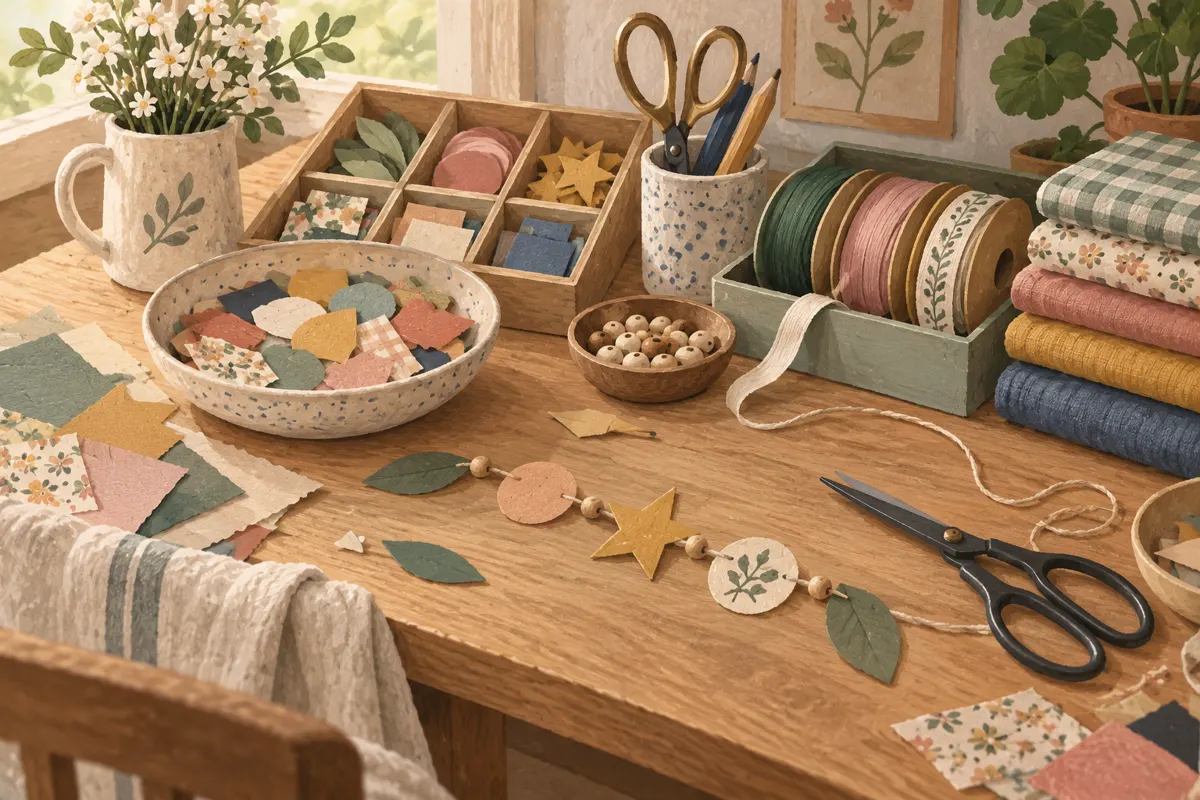
Keep leftover craft supplies in clearly labeled containers, sorted by material and easy to check before starting a project. Give paper scraps, ribbon, and fabric separate homes, and keep only pieces you can realistically use. The proposed routine below starts with containers you already have and ends with a simple habit: look through leftovers before opening fresh supplies.
Sort leftovers by what you actually use
Gather loose supplies from drawers, bags, and your work surface in one place. Start with broad material groups, then divide them only where a distinction helps you find something. The supplied organizing account uses specific categories and containers suited to their contents, with room for additions. It also avoids a vague miscellaneous category.
- Separate paper, ribbon, fabric, and other materials you regularly use.
- Inspect each piece. Keep clean, usable leftovers; set damaged or unwanted material aside for an appropriate disposal route.
- Ask what you would use each small piece for. A scrap suitable for a gift tag may deserve space; a tiny offcut with no likely purpose may not.
- Separate materials reserved for an unfinished project from the general reuse collection.
Choose a practical minimum size for each material based on your crafts. Someone who makes small collages may use paper pieces that would be unhelpful for card making. Your own projects should determine what stays.
Give paper, ribbon, and fabric different homes
As a proposed starting layout, use shallow storage for paper, small compartments for ribbon, and a bin or drawer for fabric. Try empty boxes, clean food containers, envelopes, or baskets already in the house before buying organizers. Test whether you can retrieve a piece without emptying the whole container.
- Paper: keep larger sheets flat in a tray or folder. Put smaller scraps in a separate envelope or shallow box so they do not disappear beneath full sheets.
- Ribbon: wind loose lengths around pieces of sturdy scrap cardboard and tuck or secure the ends. Arrange them upright so individual lengths are easy to lift out.
- Fabric: fold usable pieces so you can see their colors or patterns. Give narrow strips a separate pouch if you regularly use them.
- Small embellishments: use divided containers for buttons, beads, or similar items, with a distinct space for each type.
Sort by color only if color is how you usually choose materials. Otherwise, size, material, or purpose may be a more useful second category. Avoid creating so many divisions that putting leftovers away becomes a chore.
Make the collection visible and easy to reach
Clear containers help you see what is available, but an existing opaque box can work with a readable label. Use specific names such as paper for tags, short ribbon, or cotton scraps. Place labels on the side you see when the container is stored.
Keep frequently used leftovers near your work area and less-used materials farther away. The source account follows a similar access-based arrangement, placing everyday tools beside the desk while keeping other supplies accessible in shelves and cupboards.
Leave enough space to browse. If a lid requires force to close or a drawer catches on its contents, reduce the collection or adjust the container. A storage limit gives you a clear point at which to review what is worth keeping.
Check leftovers before opening new supplies
Make checking the reuse collection part of setting up a project. Start with the materials and dimensions you need, then look for leftovers that fit. This proposed sequence keeps the search focused:
- Check the relevant scrap container before taking out a new sheet, spool, or length of fabric.
- Measure promising pieces against the project requirements.
- Set selected leftovers beside your tools before cutting anything new.
- Return unused pieces to their labeled homes when you finish.
A plain paper offcut might become a test piece, a short ribbon a gift-tag tie, or a fabric remnant a small patch. Treat these as possibilities, and choose pieces that suit the project.
Reset the system after each project
Before clearing your work surface, sort new leftovers into their homes. If you need a temporary collection tray during a busy project, empty it at the end so it does not become another mixed stash.
Review a category whenever its container fills. Remove pieces you repeatedly pass over, combine unnecessary subdivisions, and pass along usable materials you no longer want to someone who has agreed to take them. Keep the routine easy enough that returning a scrap takes little effort.